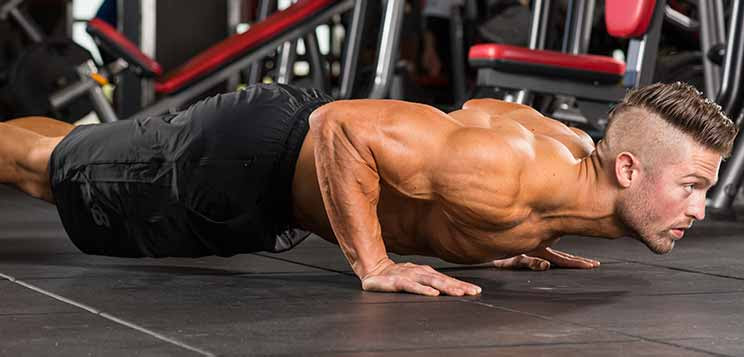
Training for the Perfect Push Up
Learn why the push up is the best chest exercise for those over 40, and how anyone can do a perfect push up to achieve optimal results using a simple… Read More »Training for the Perfect Push Up

Learn why the push up is the best chest exercise for those over 40, and how anyone can do a perfect push up to achieve optimal results using a simple… Read More »Training for the Perfect Push Up
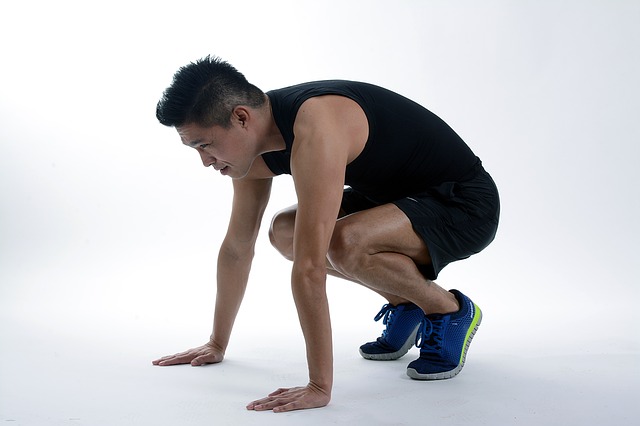
In part 2, learn 2 unique ways to train your butt that guarantees better balance, better walking, better running and happier knees, ankles, hips and low back joints.

Training the butt muscles to eliminate Dormant Butt Syndrome requires doing more than just squatting. In part 1, learn how to prevent what 80% of adults struggle from and what… Read More »Dormant Butt Syndrome – Part 1
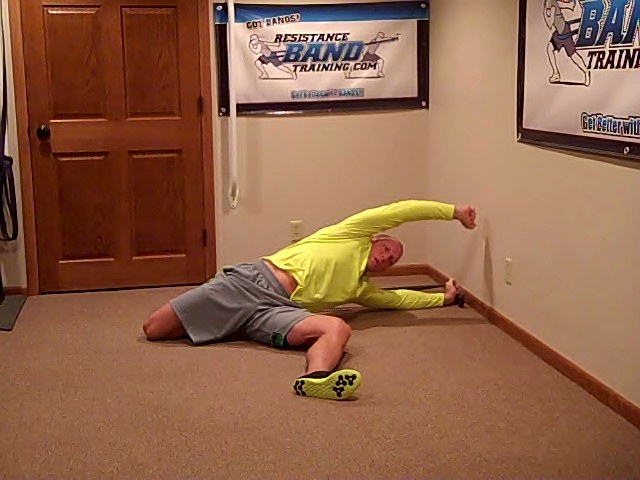
The Active Aging population is the fastest growing population. Even though this group of individuals may be active, it does not mean they are feeling and moving great. Most of… Read More »Active Aging Fitness – #1 Secret to Success
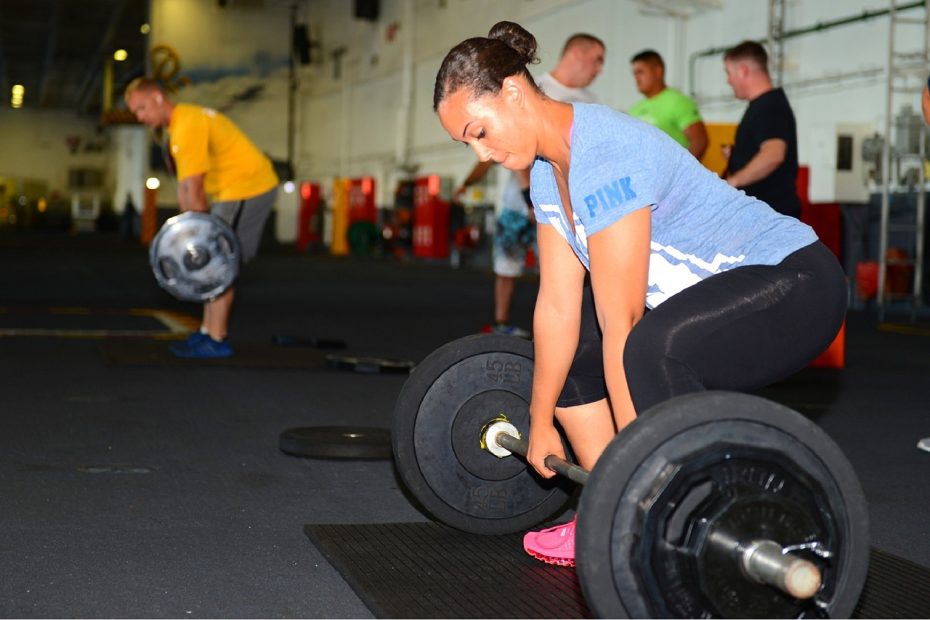
Should you train with weights or resistance bands? In part 2, we take a look at this and let you make the decision. Hopefully after reading this you will see… Read More »Resistance Band Training versus Weight Training – Part 2
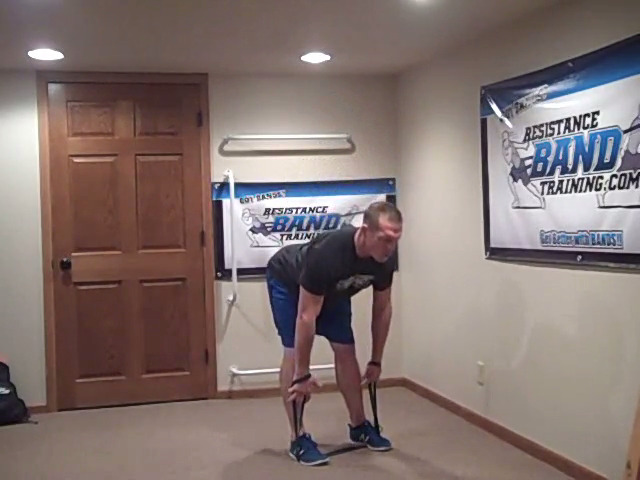
Learn more about the 3 Phase Progressive Resistance Band Workout System I have followed for years with both my physical therapy patients, athletes and adult fitness clients.
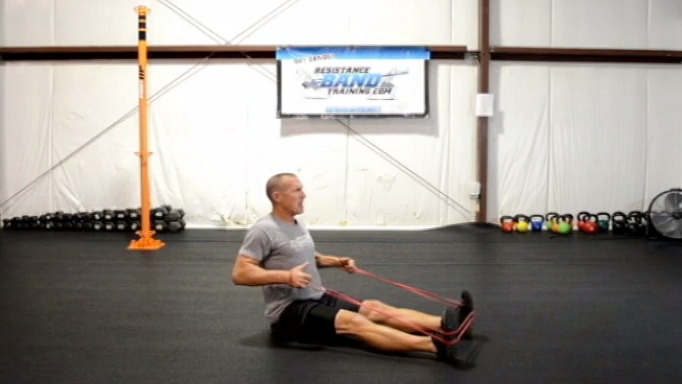
Bands are one of the best ways to saturate a muscle with blood which is important when it comes to building muscle. Why do bands allow you to get your… Read More »Muscle Building with Bands – Get your Pump On
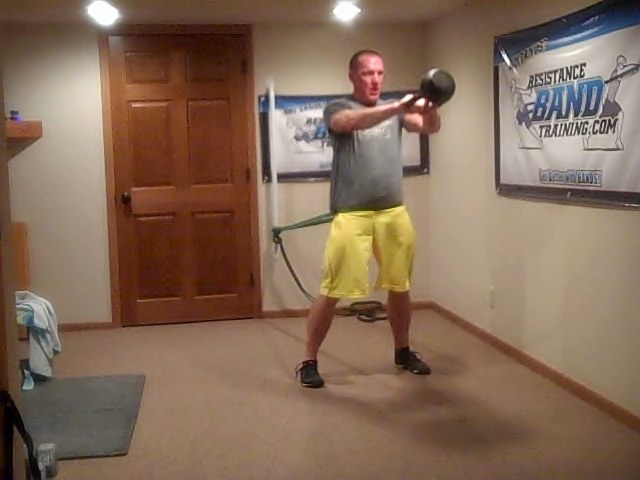
Contrast training is the best way to take advantage of an ascending band resistance and the constant resistance associated with all free weight tools. It’s like getting the best of… Read More »Contrast Band Training – What is it?
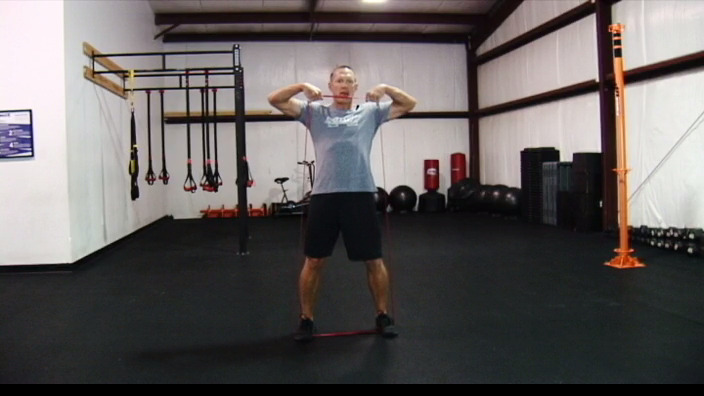
The best way to teach young athletes olympic lifts is by allowing them to perform hybrid versions using resistance bands. Learn how to set that up in your weight room.
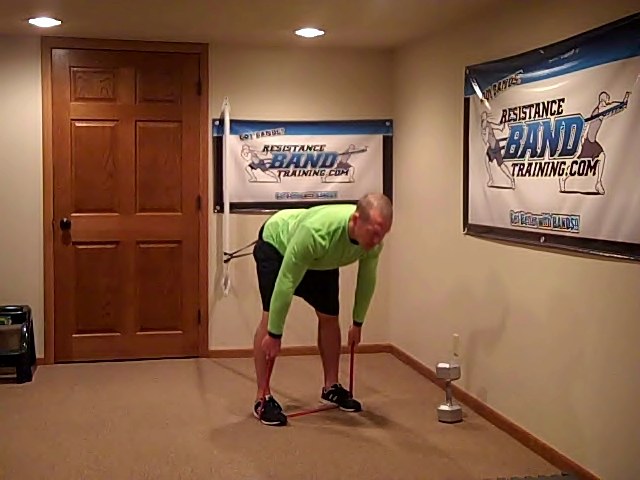
Hamstrings and hip flexors are muscles that often are compensated for because there are so many ways for the body to compensate. Using band assistance helps eliminate those compensations.